What Is Dog Boot Camp (Board and Train) and Is It Right for Your Dog?
November 23, 2026
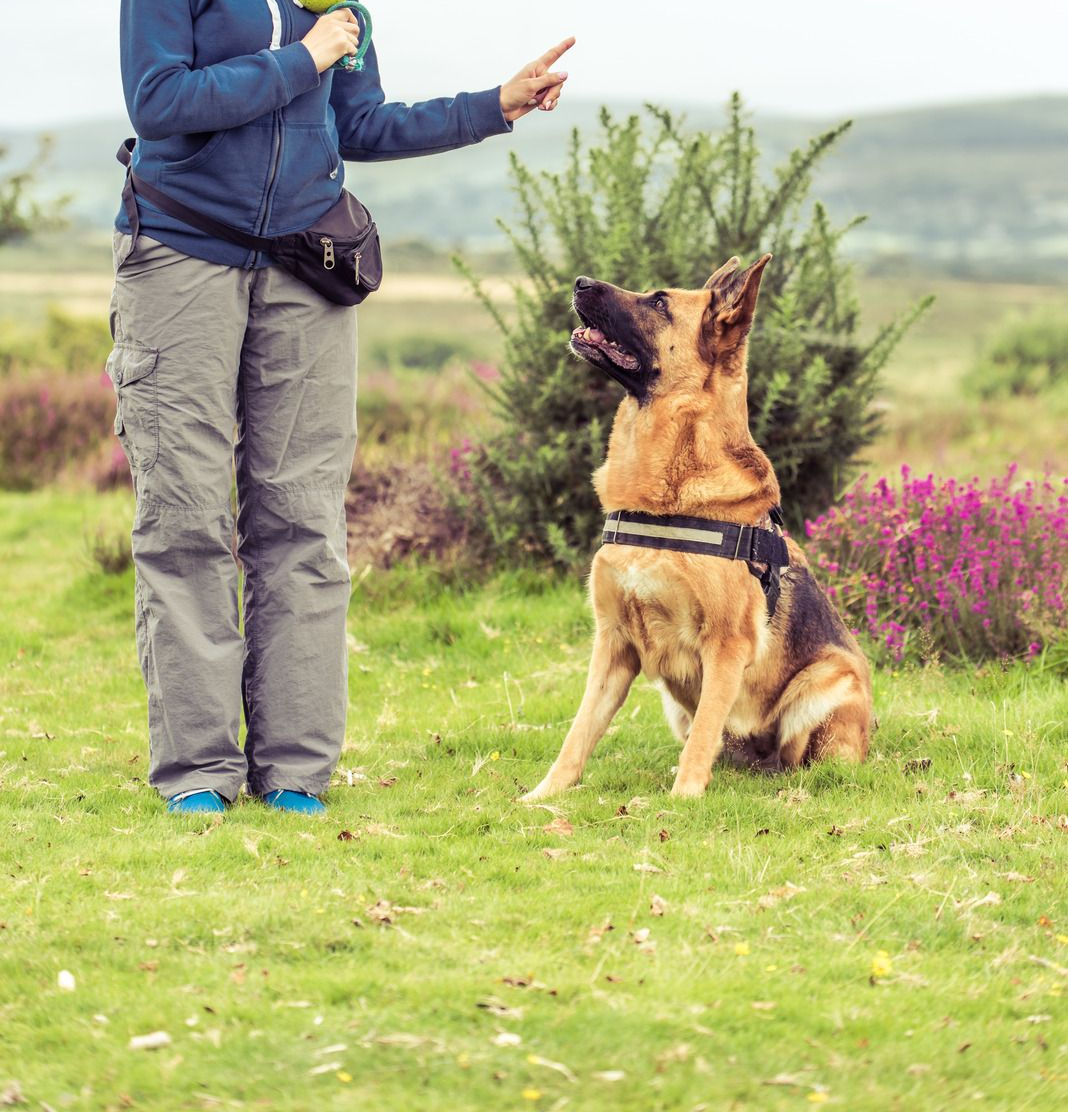
Quick Answer: Dog boot camp, also called board and train, is a program where your dog stays with trainers for a set period and practices skills daily while you are away. Most programs run for a couple of weeks or longer, with several short training sessions each day, and a good one ends with a handoff session where you learn the same cues your dog learned. It tends to suit dogs with stubborn habits, owners with little time to train, and families facing a big change such as a new baby or a move. It suits some dogs less, including very fearful dogs and dogs who struggle with time away from home. The program only works if the results travel home with you, so ask about methods, daily routine, progress updates, and owner coaching before you enroll. A dog who is trained but an owner who is not is the most common reason results fade.
You have tried the treats, the videos, and the advice from three different friends. Your dog still bolts through the door, drags you down the block, or ignores you the second a squirrel appears. Somebody mentions boot camp, and you picture your dog marching off and coming back perfectly behaved. Then you wonder what actually happens in those two weeks, and whether handing your dog to strangers is a good idea.
Those are fair questions, and you do not need to feel pressured to answer them quickly. This guide explains what dog boot camp is, what a typical stay looks like, which dogs tend to do well, and how to tell whether it fits your dog and your household. You will also get a list of questions worth asking any program before you say yes.
What Dog Boot Camp Actually Means
Dog boot camp is a nickname for board and train. Your dog lives at the training facility or with a trainer for a set stretch of time, and trainers work with your dog every day. Instead of squeezing practice into a weekly hour, your dog gets repeated, focused sessions on the skills you chose together.
The American Kennel Club describes these programs as boarding facilities that also train, and notes that dogs often stay for two weeks or more, working with a trainer on anything from basic manners to bigger behavior problems. Another common range you will see is two to three weeks, with longer stays for dogs who need extra time.
The name sounds strict, but a good program should not feel like a military drill. Positive reinforcement boot camps reward the behavior they want, using treats, toys, praise, and play, and they teach a dog what to do instead of only what to stop doing. That approach matters. Programs differ a lot in how they work, and the industry has few rules about who can offer them, so the method behind the name is worth asking about.
What a Typical Stay Looks Like
Every program runs a little differently, but most follow a similar arc.
Evaluation First
Before your dog is accepted, a trainer should meet your dog, watch how your dog behaves, and talk with you about your goals. Goals can range from walking politely on a leash to coming when called, settling in the house, or handling new people calmly.
Short, Frequent Sessions
Dogs learn best in small bites. A day usually includes several short sessions rather than one long block, mixed with rest, meals, play, and downtime. Many programs move the practice to different places, such as a yard, a hallway, a sidewalk, or a busy room, so your dog learns that "sit" means sit everywhere and not only in one corner.
Structure And Rest
A well run program builds in naps and quiet time. Learning is tiring, and a worn out dog does not learn well. Ask what the daily schedule looks like and how much time your dog spends in a kennel or crate versus out with a person.
Updates Along The Way
Many trainers send photos, short videos, or daily notes so you can see progress and learn the cues yourself.
A Handoff At The End
This is the most important part, and it gets its own section below.
Signs Boot Camp May Be a Good Fit
Boot camp is not the right tool for every dog or every home. It tends to help most in situations like these.
You Have Tried, And The Habit Keeps Coming Back
If your dog has been pulling, jumping, or ignoring cues for months or years, a concentrated block of training can break the pattern in a way that a weekly lesson sometimes cannot. The old habit has fewer chances to be rewarded while the new habit is practiced many times a day.
Your Schedule Is Packed
Training takes steady time. If long work hours, a new baby, or a family crunch make daily practice hard, boot camp can build the foundation while you get ready to carry it forward. You will still need to practice after your dog comes home, but you will be starting from a much stronger base.
A Big Change Is Coming
A move, a new job, a new baby, or a houseguest stretch can be easier when your dog already has the basics. Timing a program before a move from a house to a condo, or before a baby arrives, gives your dog a head start on settling and walking politely.
You Have A New Adult Dog Or A Rescue
Dogs who join a household with no history often benefit from a clear set of routines. A trainer can show you what manners your dog already has and what is still missing.
You Want A Head Start On Skills With Lots Of Repetition
Loose leash walking, a dependable recall, impulse control at doors, and settling on a mat all improve with repetition. A board and train program provides it.
Tip: Before you choose a program, write down the three behaviors that bother you most and the three situations where they happen. A specific list, such as "pulls on the sidewalk by our building" or "jumps when the doorbell rings," lets a trainer plan sessions around your real life instead of a generic checklist.
Signs Boot Camp May Not Be the Right Fit
An honest trainer will tell you when another format makes more sense. Boot camp may be a weaker match when:
Your Dog Is Very Fearful Or Struggles When Separated From You
Some dogs find a new place with new people stressful, and that stress can get in the way of learning. A dog with intense separation distress or serious fear may do better with private lessons at home, in small steps, with you present. Ask the trainer how they help dogs adjust to time away, and listen for a plan that puts your dog's comfort first.
Your Dog Has A Medical Issue That Needs Attention
If a sudden change in behavior seems unusual for your dog, check in with your veterinarian before starting any training program. Boot camp is for behavior and manners, not for health concerns.
You Are Not Able To Take Part Afterward
Your dog's behavior depends on the relationship with you, so the owner has to learn the plan too. If you cannot commit to practicing after the program ends, results are likely to fade.
You Want A Quick Fix With No Effort From You
No program hands back a finished dog. Good trainers say so up front.
The Program's Methods Do Not Match Your Values
Some programs rely on harsh corrections or aversive tools. The MSPCA cautions that corrections such as prong or shock collars can cause fear and may make other behaviors worse. If a program refuses to explain its tools and methods, keep looking.
Why Skills Do Not Always Travel Home
Here is the part many owners do not hear until after enrolling. Dogs do not automatically carry a behavior from one place to another. A dog who performs a flawless "down" in a training room may look blank in your living room, because the room, the smells, and the people are different.
Trainers call this the generalization gap. The American Kennel Club points out that a behavior learned in one setting may not carry over to home, and that results depend heavily on what the owner does after the dog returns. The same source notes that training is a lifelong commitment and that your dog's cooperation depends on your bond.
So a strong program plans for the handoff from day one.
An Exit Session Where You Do The Work
You should hold the leash, give the cues, and get feedback on your timing and body language before your dog goes home. Watching a demonstration is not enough. You need your own practice with your own dog while a trainer is there to coach.
Notes, Videos, And Clear Instructions
Written cues, hand signals, and short videos help you repeat the same thing the trainer did, instead of guessing from memory.
A Plan For The First Two Weeks Home
Start with fewer distractions than the program had, practice daily in short sessions, and build up gradually. Work on leash outdoors before you trust anything off leash. Keep the same household routine the trainer suggested, and make sure everyone in the home uses the same words.
Follow Up Support
Small slips happen in the first few weeks, and it helps to have someone to ask. Catching a slip early is much easier than untangling a new habit later.
Warning: Never treat boot camp as a replacement for supervision and management. A dog who just came home from a program is still learning your house, your neighbors, and your routines. Keep leashes on, doors and gates secure, and rewards flowing for the first few weeks.
Boot Camp in a Chicago Household
City and suburban life shape which skills you will want most. If you live in a Chicago apartment or condo, you may care most about calm hallway and lobby manners, polite greetings with neighbors, quiet settling while you work, and loose leash walking on crowded sidewalks. If you live on the North Shore or in the western suburbs, such as Evanston, Oak Park, Wilmette, or Elmhurst, you may care more about a reliable recall in a yard, polite behavior around kids and visitors, and walking calmly past other dogs on tree lined streets.
Winter adds its own factors. From December through March, icy sidewalks and short days cut into long walks, and a dog with extra energy gets practice at the wrong things. A stay during a cold stretch can give your dog a daily schedule of mental work and exercise while the weather limits what you can do at home. Then you can bring those skills outdoors as spring arrives.
How Boot Camp Compares to Other Ways of Training
Boot camp is one option among several. Group classes teach your dog to focus around other dogs and people. Private lessons give you personal coaching in your own home or at a facility. Daycare gives your dog social time and routine. Many families combine formats, such as a boot camp to get the foundation in place and then follow up lessons to keep it going.
The best choice depends on your dog, your schedule, and what you want to change. If you are weighing boot camp against weekly lessons, it helps to think about three things: how deep the habit runs, how much time you can give each week, and how your dog does when you are not around. A trainer who evaluates your dog can help you sort that out.
Set the Walk Up So Your Dog Can Succeed
Before you drill any technique, change the conditions. Management is not cheating, and it is not a substitute for training. It stops your dog from rehearsing the pulling while the training is still catching up.
Use equipment that does not hurt
Gear that spreads pressure across the chest, or a properly introduced head halter, gives control without pain. Veterinary consensus supports reward-based methods. Choke, prong, and shock collars are advised against.
Bring real rewards
Not the dusty biscuits at the bottom of the jar. Small, soft, genuinely good food your dog will work for, cut pea-sized so you can pay often without filling them.
Drain some energy first
A short play session, a food puzzle, a game of fetch, or a few minutes of indoor training beforehand takes the frantic edge off. A dog boiling over cannot learn.
Separate training walks from bathroom walks
In the beginning, do not teach loose-leash walking when your dog urgently needs to relieve themselves and you are late. Let that walk be. Train on a separate, unhurried outing.
Get everyone on the same page
If you require a loose leash and your partner lets your dog drag them along, your dog learns pulling works sometimes, which keeps it alive. Every handler needs identical rules.
Tip: Practice indoors first. Clip the leash on in your hallway or living room, where there are no squirrels, no other dogs, and no interesting smells, and reward your dog for standing near you with a slack leash. If your dog cannot walk politely down your own hallway, a busy sidewalk is far too hard a place to start. Build the skill where it is easy, then add difficulty one small step at a time.
Puppy teeth do not last as long as they feel like they will right now. The stage where every walk turns into an ankle ambush, sleeves collect tiny holes, and you flinch before your puppy even opens her mouth has a real end point. Most owners are surprised by how quickly it arrives once the handling stays consistent, and a rough teething week today fades faster than it seems possible in this moment.
What your puppy needs most is steady, predictable feedback paired with toys that give that busy mouth somewhere better to go. Some days will feel like no progress at all, especially during a rough teething week, but the pattern breaks more often than not when you keep at it. Chicago Canine Academy
has spent 40+ years helping Chicago, IL families work through exactly this stage, and that same steady approach carries puppies from needle-sharp teeth to a genuinely gentle mouth.
How to Make the Most of the Time After Camp
Whatever you pick, the weeks after training decide how well it lasts. A few habits help.
Practice A Little Every Day
Two or three short sessions beat one long weekend practice. Five minutes is plenty.
Keep Paying For The Good Stuff
Treats, toys, and praise keep the behavior strong. Fade rewards slowly instead of stopping all at once.
Raise The Challenge Gradually
Move from a quiet room to the hallway, then the sidewalk, then busier places. If your dog struggles, go back a step.
Keep The Household On The Same Page
If one person allows jumping and another does not, your dog gets mixed signals. Share the cues and the rules.
Use Your Own Words
Pick the exact cue words you learned and stick with them. Changing words and tones confuses a dog fast.
Ask For Help Early
If a skill starts slipping, book a quick check in before a pattern forms.
Why Patience With Teething Puppies Pays Off
How long does dog boot camp usually last?
Many programs run for two weeks or more, and some dogs need longer. The length depends on your goals, your dog's age and experience, and the trainer's plan. A good trainer will talk with you about a realistic timeline after meeting your dog.
Will my dog be trained for good when camp ends?
Your dog will have a strong start, but training is ongoing. Behaviors fade without practice, and your dog needs time to apply them in your home. Plan on daily practice and follow up support after your dog returns.
Is boot camp safe for puppies?
Some programs work with puppies on basics such as house manners, crate comfort, and socialization. Because young puppies need frequent rest, gentle handling, and careful exposure to new things, ask the trainer how the program is adapted for age.
What if my dog gets stressed away from home?
Tell the trainer ahead of time. A good program will explain how they help dogs settle, how they watch for signs of stress, and what they will do if your dog is struggling. Some dogs do better with private lessons or a gradual introduction.
Can I visit or check in during the program?
Many programs send updates, and some allow visits or live demonstrations. Ask about their policy before you enroll, since the right level of contact varies by dog.
What happens when I pick my dog up?
A good program includes a handoff session where you practice the cues with your dog and a trainer coaches you. You should leave with clear instructions for the first weeks at home, including how to handle the situations that used to cause trouble.
Boot Camp Works When the Skills Come Home
Dog boot camp is a useful tool for the right dog and the right household. It gives your dog concentrated practice, a steady routine, and a head start on habits that have been hard to break at home. The best programs match the format to your dog, use reward based methods, and plan the handoff from the first day. Training only lasts when you learn the cues too and keep practicing after the stay ends.
Choosing well comes down to your dog’s temperament, your schedule, and the questions you ask before enrolling. With 40+ years of experience helping families across Chicago, IL, Chicago Canine Academy
has seen board and train stays succeed when owners stay involved and fall short when they do not. A calm, well mannered dog is built through daily repetition, patience, and a clear plan that fits your life.