Dog Barking at Everything Out the Window? What's Behind It
October 31, 2026
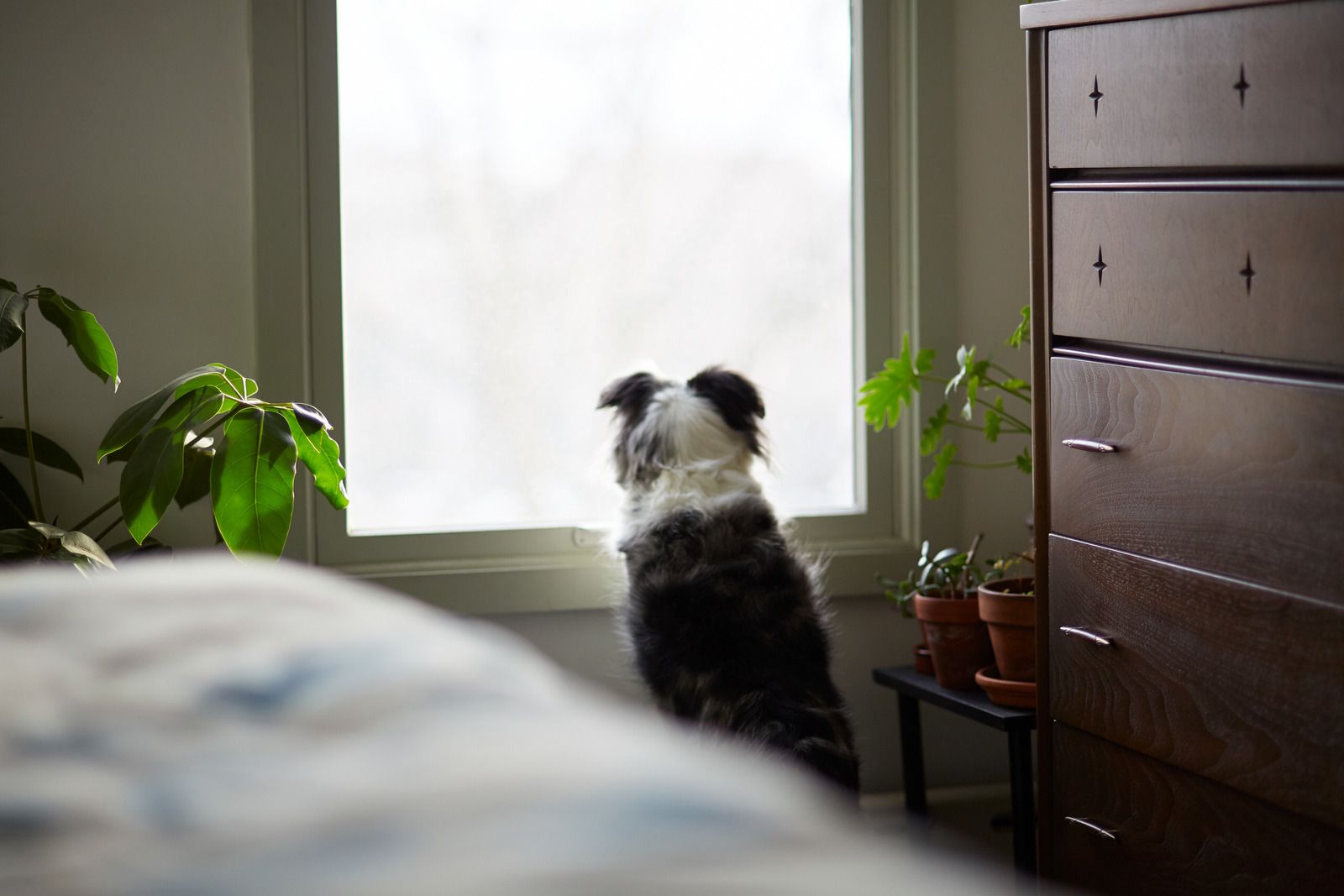
Quick Answer: A dog barking out the window is usually showing barrier reactivity, which means the glass between your dog and the sidewalk turns normal interest or worry into loud, repeated barking. Behind the noise there are three common drivers: frustration at not being able to greet whoever walks by, protectiveness over the home, or fear of strangers. All three get stronger with practice, because every bark ends with the person or dog walking away, and your dog counts that as a win. The fix has two parts. First, block the view and cut the sound so your dog stops rehearsing. Second, teach your dog to look at you and settle when something passes, and reward that choice every time. Most owners see a calmer window within a few weeks of steady management, while deeper cases do better with a trainer's help. Punishing the barking tends to raise stress and can make the habit worse.
The mail carrier hasn't even reached your steps yet, and your dog is already on the back of the couch, barking like the building is on fire. You wave your arms, say "quiet" twice, and then give up and turn up the TV. Ten minutes later a stroller rolls by and the whole thing starts over. By evening you're tired, your neighbors have probably heard it all, and you're wondering what you did wrong.
Nothing, as it turns out. A dog who barks at everything out the window isn't being stubborn or spiteful. Your dog is reacting to a pattern that keeps getting reinforced, usually by accident, and that pattern can be changed. It takes some changes to your living room and a few short training sessions, not a louder voice.
What Trainers Mean by Barrier Reactivity
Dogs who go off at the window often behave perfectly well on a walk or at the dog park. Put a pane of glass, a fence, or a gate between that same dog and the world, and the behavior changes. Humane Society of Western Montana describes this as barrier reactivity: the barrier changes the way a dog experiences what's outside, and the result can be whining, growling, barking, and lunging.
Best Friends Animal Society makes a point worth remembering. The behavior can look like aggression, but there are often different root causes underneath, which is why trainers prefer the term barrier frustration or barrier reactivity. Your dog may sound fierce and still be a dog who is mostly excited, mostly nervous, or mostly bored.
A window is the perfect setup for this. Your dog can see everything, can't reach anything, and can't leave the scene. That mix of "I can see it" and "I can't get to it" builds pressure fast.
The Three Reasons Dogs Bark at the Window
Figuring out which one fits your dog helps you choose the right plan. Many dogs show a blend, but one usually leads.
Frustration
Some dogs love people and other dogs so much that watching them walk past without a chance to say hello is torture. The barking sounds like a tantrum. Your dog may whine between barks, spin, paw at the glass, or bring a toy to the window. This is the friendly dog who wants in on the party.
Protectiveness
Certain breeds were developed over generations to guard homes and property. A dog with those roots may bark at anyone approaching the house, then act relaxed and social once they're out in public. From your dog's point of view, they're simply doing the job. Expect a stiffer body, a lowered head or a high tail, and barking that gets louder as a person gets closer to the door.
Fear
Nervous dogs bark to make the scary thing go away. A dog who feels unsure about strangers may bark hard at the window, then back up or glance at you for help. When your dog is trapped behind a barrier, barking feels like the only tool available.
You can often tell the difference by watching the face and body in the quiet moment after a bark. A loose, wiggly dog who keeps trying to approach is leaning toward frustration. A dog who stands tall and locks onto the person is leaning toward protectiveness. A dog who flinches, tucks, or retreats between barks is leaning toward fear. Filming a few episodes on your phone makes this much easier to see than it is in the moment.
Why the Barking Gets Louder With Practice
Here's the part that surprises most owners. Think about what your dog sees from start to finish. A person walks by, your dog barks, and the person keeps walking until they're out of sight. In your dog's mind, the sequence is simple: bark, and the thing goes away.
That's a powerful lesson, and it runs again and again. A dog watching a busy street might get dozens of repetitions in a single day. A trainer who writes about this problem points out how lopsided the math is. Most dogs get a few real, pleasant meetings with strangers each month, but can rack up hundreds of window barking rounds in the same stretch. Each one teaches the same lesson, and each one pairs strangers with a rush of stress.
This is why waiting for the barking to fade on its own rarely works. Practice makes the habit faster, louder, and more automatic. It can also spill into other places. Window barkers sometimes start reacting at the front door, along the fence line, or from the car, because the dog has learned that this is what you do when someone appears.
The Scolding Trap
When you yell "quiet" from across the room, your dog may hear you joining in. Your voice adds to the excitement, and the barking continues. Punishing the barking can also backfire. Humane Society of Western Montana notes that corrections may seem to work in the moment but can increase stress around people and dogs over time, and that research has linked punishment to more anxiety and reactivity. Calmly moving your dog away from the trigger works better.
Chicago Living and the Window Problem
City homes make this behavior easy to learn. If you live in a greystone or a two flat in Chicago, your front window probably looks straight onto a busy sidewalk, with joggers, strollers, dog walkers, delivery drivers, and kids heading to school passing within a few feet of the glass all day. Third floor walkups and condo buildings add hallway noise, the ding of a lift, and neighbors' footsteps to the mix. In Evanston, Oak Park, and the North Shore suburbs, a bay window or a glass storm door gives the same clear view of the street.
Winter makes it harder. From December through March, many Chicago dogs spend more hours inside, and the couch by the window becomes the main entertainment. Short days and icy sidewalks cut down on long walks, so there's more energy to burn and fewer ways to burn it. That's a big reason window barking tends to ramp up in the cold months.
Step One: Stop the Rehearsal
You can't teach a dog to relax while the trigger keeps firing. So the first job is management, which means changing the environment so your dog has fewer chances to practice barking. Best Friends Animal Society puts it plainly: every time a dog gets to react, they rehearse the behavior and get better at it.
Block The View
Frosted window film on the lower glass blocks your dog's view while still allowing daylight inside. Curtains or blinds work too, but film stays in place without requiring you to remember closing them every day.
Cover The Sound
A white noise machine or fan near the street can soften footsteps, voices, and car doors. You will not remove every sound, but reducing sudden noises can lower the number of barking triggers indoors today.
Rearrange The Furniture
If your dog watches from the sofa, move it away from the window or turn it around. Removing access to the lookout can reduce opportunities for constant street patrol barking throughout the day outside daily.
Control The Yard And Fence Line
Solid fence panels or screening can block your dog's view of passing people. Limit unsupervised yard time, because repeated barking at pedestrians gives the habit plenty of practice every day outdoors. near the fence line
Give Your Dog Something Better To Do
When buses, mail carriers, or dog walkers are expected, offer a chew, food puzzle, or stuffed toy elsewhere. Mental activity gives your dog something productive to focus on instead of barking at distractions. outside nearby
Tip: Watch your dog for two days and write down when the barking happens. Most dogs have a few peak times, such as the morning school rush or the afternoon delivery run. Once you know them, you can set up film, noise, and a chew ahead of time instead of reacting in the middle of the barking.
Management alone won't teach your dog anything, but it lowers the volume so training can work. A dog who has been barking for hours is too wound up to learn. A dog who has had a calm morning can think.
Step Two: Teach Your Dog What to Do Instead
Once the window is under control, you can build a better habit. The goal isn't a dog who never notices the world. The goal is a dog who notices, checks in with you, and settles.
Teach A Settle Spot
Choose a mat or bed away from the window. Reward stepping onto it, lying down, then staying while you move around nearby. Keep early sessions brief and gradually increase duration.
Reward The Look
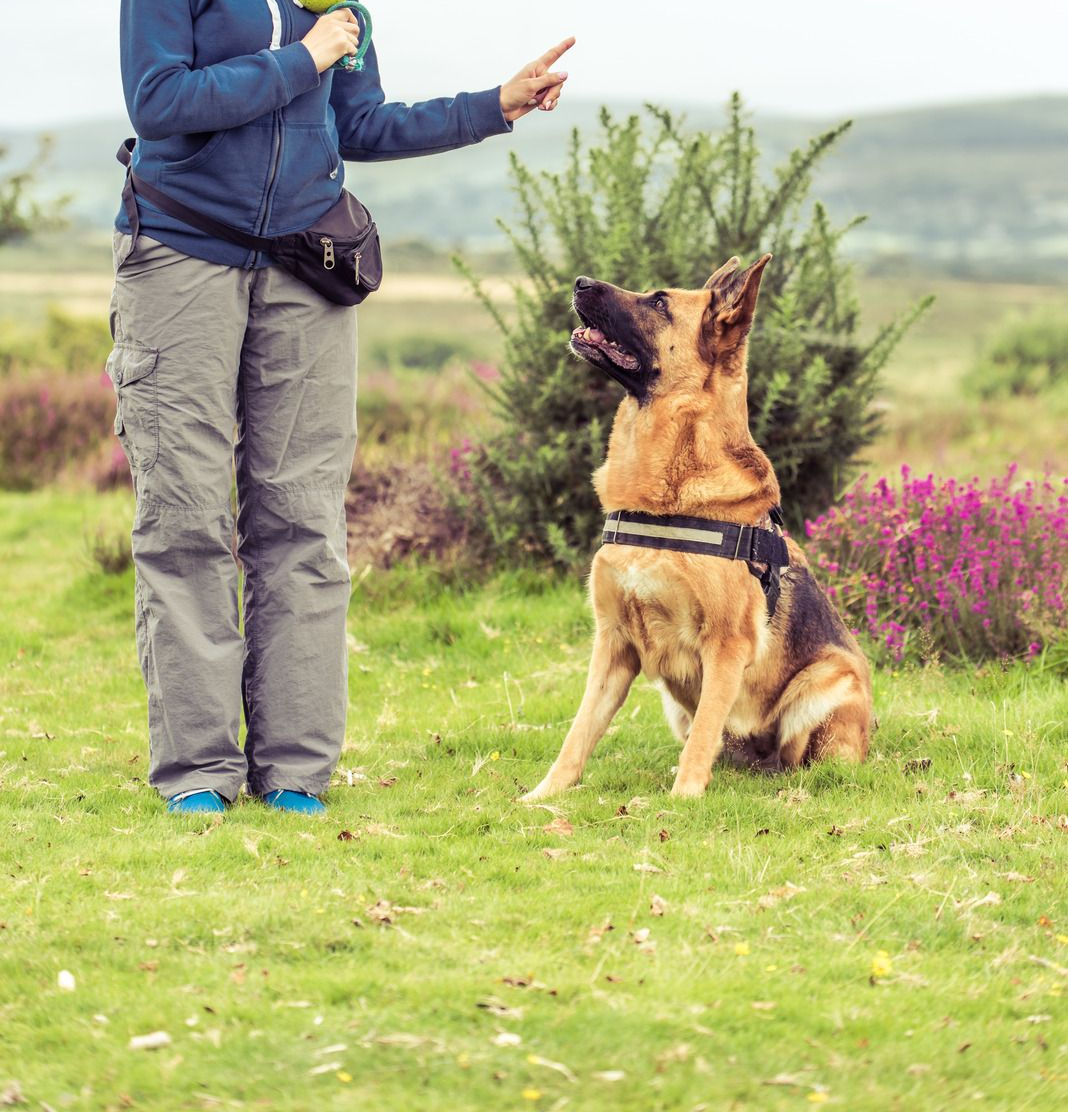
Stand where your dog can see a trigger without barking. Reward looking at the trigger, then choosing you instead with high value treats during walks and window practice each day.
Practice A Recall Cue At The Window
Build a reliable recall cue in calm settings first. Then call your dog away from window reactions, rewarding generously when they turn toward you. Keep sessions short and journal progress.
Interrupt Early
Step in before the first bark, when ears perk up and the body stiffens. Toss a treat onto the settle mat and redirect attention before barking escalates further quickly.
Use A Keep Going Signal
Teach a cue meaning the alert is finished. Reward your dog for leaving the window and returning calmly to the settle mat after noticing something outside nearby during practice consistently.
How Long Each Session Should Run
Keep every session short and end while your dog is still doing well. Two or three sessions of five minutes beat one long, frustrating hour. If your dog can't take a single treat or can't hear you at all, the trigger is too close or too strong. Back up, make the window easier, and try again with a quieter set of circumstances.
Warning: If your dog has lunged at a person, bitten, or slipped out a door or gate to chase someone, stop practicing near the trigger and bring in a professional trainer before you do anything else. Keep your dog away from the window, secure the doors, and use a leash or gate whenever visitors arrive.
Three Situations That Look Alike but Aren't
The window is the most common spot, but the same pattern shows up in other places. Knowing the differences helps you choose the right step.
Hallway And Door Barking
Dogs may react to footsteps, elevators, or keys outside. Use white noise, reward quiet behavior, and teach settling away from the entry.
Car Barking
Dogs barking from the back seat face another barrier. A covered crate or long lasting chew can reduce visual access and barking triggers.
Barking At Squirrels And Birds
Wildlife barking usually involves excitement and chasing instincts. Block views when possible, then practice impulse control by redirecting your dog toward treats or toys.
Set the Walk Up So Your Dog Can Succeed
Before you drill any technique, change the conditions. Management is not cheating, and it is not a substitute for training. It stops your dog from rehearsing the pulling while the training is still catching up.
Use equipment that does not hurt
Gear that spreads pressure across the chest, or a properly introduced head halter, gives control without pain. Veterinary consensus supports reward-based methods. Choke, prong, and shock collars are advised against.
Bring real rewards
Not the dusty biscuits at the bottom of the jar. Small, soft, genuinely good food your dog will work for, cut pea-sized so you can pay often without filling them.
Drain some energy first
A short play session, a food puzzle, a game of fetch, or a few minutes of indoor training beforehand takes the frantic edge off. A dog boiling over cannot learn.
Separate training walks from bathroom walks
In the beginning, do not teach loose-leash walking when your dog urgently needs to relieve themselves and you are late. Let that walk be. Train on a separate, unhurried outing.
Get everyone on the same page
If you require a loose leash and your partner lets your dog drag them along, your dog learns pulling works sometimes, which keeps it alive. Every handler needs identical rules.
Tip: Practice indoors first. Clip the leash on in your hallway or living room, where there are no squirrels, no other dogs, and no interesting smells, and reward your dog for standing near you with a slack leash. If your dog cannot walk politely down your own hallway, a busy sidewalk is far too hard a place to start. Build the skill where it is easy, then add difficulty one small step at a time.
Puppy teeth do not last as long as they feel like they will right now. The stage where every walk turns into an ankle ambush, sleeves collect tiny holes, and you flinch before your puppy even opens her mouth has a real end point. Most owners are surprised by how quickly it arrives once the handling stays consistent, and a rough teething week today fades faster than it seems possible in this moment.
What your puppy needs most is steady, predictable feedback paired with toys that give that busy mouth somewhere better to go. Some days will feel like no progress at all, especially during a rough teething week, but the pattern breaks more often than not when you keep at it. Chicago Canine Academy
has spent 40+ years helping Chicago, IL families work through exactly this stage, and that same steady approach carries puppies from needle-sharp teeth to a genuinely gentle mouth.
What a Realistic Timeline Looks Like
Plenty of owners hope for a quick fix, so here's an honest picture. Management alone often brings a noticeable drop in barking within the first week or two, because your dog stops getting new practice. Training a calm response takes longer. Expect several weeks of short daily sessions before your dog starts choosing the mat or glancing at you without being asked.
Progress rarely moves in a straight line. A dog who did beautifully on Tuesday may bark at a delivery truck on Thursday. That's normal. Look at the overall trend over a few weeks rather than at any single day.
Some dogs need more than a DIY plan. Signs that it's time for a trainer include barking that doesn't improve after a month of steady work, a dog who reacts at doors or fences as well, any history of lunging at or snapping at people, or a household where everyone handles the problem differently. A trainer can watch your dog in your home, figure out whether frustration, protectiveness, or fear is leading, and build a plan that fits your space and schedule.
Daily Habits That Keep the Window Quiet
A tired dog is a calmer dog, and a dog who has been mentally stretched is calmer still. These habits make the training work better.
Walk With Sniffing Time
Walks that include sniffing and exploration use more energy than quick trots. During icy weather, hide and seek, scent searches, and training sessions help indoors.
Feed From Puzzles
Use snuffle mats, food puzzles, or scattered kibble instead of bowls. Foraging keeps your dog's brain occupied and provides productive mental stimulation throughout the day.
Provide A Chew Every Afternoon
Offer a safe chew each afternoon when street activity peaks. Giving your dog an alternative focus can reduce attention toward passing people and sounds outside.
Plan For Time Alone
Limit long periods alone at windows. A midday dog walker or daycare break can interrupt repeated barking, while providing exercise, companionship, and mental stimulation daily.
Keep The Household Consistent
Keep everyone consistent. If one person allows window watching while another scolds, your dog receives mixed signals. Agree on one approach and follow it consistently.
Why Patience With Teething Puppies Pays Off
Why does my dog bark at people walking by but not at visitors inside?
Outside the window, your dog cannot reach or meet the person, and the barrier adds pressure. Once that same person is invited in and given treats, your dog often relaxes.
Is my dog being protective, and should I let it continue?
Some protective barking is normal, but all day practice can grow into door or fence reactivity. A short alert followed by a calm settle is a far healthier goal than nonstop barking.
Will covering the windows fix the problem completely?
Covering the glass cuts the main trigger and drops barking a lot, but your dog still hears things. Pair film with white noise, then add a settle spot and rewarded check ins.
Can I use a bark collar or spray to stop it?
Better to avoid anything that punishes barking. Punishment raises stress around the people you want your dog to like, and the barking often returns or shifts into something harder to handle.
My puppy is starting to bark at the window. Should I worry?
Puppies pick up habits fast, so act early. Block the view during peak times, reward calm moments, and offer chews and play. Catching it at four months beats untangling it at two years.
When should I bring in a professional trainer?
Reach out if barking has not improved after a month, if your dog has lunged or snapped at someone, or if it spreads to doors, fences, and the car.
A Quieter Window Is Within Reach
A dog who barks at everything out the window is not misbehaving, and that reframing changes everything about how you respond. The glass turns ordinary curiosity, worry, or excitement into a habit that strengthens with every passing stranger, because each one walks away and your dog scores it as a win. Once you see the pattern for what it is, the loud afternoons stop feeling like a battle of wills and start looking like something you can actually change.
The path forward is steady rather than dramatic. Block the view so the rehearsing stops, then reward your dog for checking in and settling, and let the overall trend across a few weeks tell you how it is going. Chicago Canine Academy
brings 40+ years of experience to dogs and owners across Chicago, IL, reading whether frustration, protectiveness, or fear is leading. With patient, reward based work, a window that once set off the whole house can become a calm place to watch the world.